
A personal project about Sikh representation in the media
Back in April 2011, I was sat watching the Royal Wedding on TV with the family.
Like millions of other people, we had the television on, watching the guests arrive at Westminster Abbey. There were royals, celebrities, politicians, dignitaries and the usual parade of very important hats.
Then, suddenly, we spotted someone.
A Singh.
I later found out it was Indarjit Singh, Baron Singh of Wimbledon, but at the time none of that mattered. The whole family shouted:
Look! A Singh!
It was one of those small family moments that sounds funny from the outside, but means something much bigger when you think about it.
Because why did we all shout?
We shouted because we had seen someone who looked like us.
A Sikh man, wearing a turban, sitting inside Westminster Abbey during one of the biggest televised events in the country. He was not in the background of a documentary. He was not being used as shorthand for diversity. He was just there. Present. Visible. Part of the national moment.
And that mattered.
Why representation matters
Seeing yourself represented in the media is powerful.
It tells you that you belong. It tells you that your community exists in the wider story. It tells young people that people who look like them can appear in important spaces, public spaces, creative spaces and everyday spaces.
For many minority communities in the UK, this feeling is familiar.
The Black community has had similar moments of recognition. When Lenny Henry first appeared on television, or when shows like The Real McCoy came onto our screens, it was more than just entertainment. It was visibility. It was people seeing themselves, their families, their humour, their culture and their voices reflected back at them.
It becomes a shared moment.
Someone appears on screen and the room reacts.
Look, it's one of us.
That reaction is not about novelty. It is about years of not seeing enough of yourself in the places where stories are told.
For Sikhs, especially turban-wearing Sikhs, that visibility has often been limited. When we did appear, it was not always with depth, accuracy or care. Sometimes we were in the background. Sometimes we were reduced to a visual shortcut, sometimes a joke, and sometimes we were invisible altogether.
So when a turban appeared on screen, you noticed.
The idea behind Look! A Singh!
That Royal Wedding moment stuck in my head.
It made me wonder:
How many Sikhs are actually shown in the media?
Not just in major news events, but across television, film, newspapers, adverts, magazines, sport, politics and online media.
How often do turban-wearing Sikhs appear?
How are they shown?
Are they named?
Are they included as part of normal British life?
How are Sikh women represented?
That question became the start of a personal project.
In January 2012, I registered Look! A Singh! as a website dedicated to tracking and celebrating turban-wearing Sikhs in the media.
The idea was simple: when a Sikh appeared on TV, in film, in print or online, I would log it.
Male and female.
Big roles and small appearances.
Newsreaders, actors, politicians, sportspeople, experts, background appearances, public figures and those brilliant blink-and-you'll-miss-it moments where someone at home would point at the screen and say the magic words:
Look! A Singh!
Building the project
After setting up the website, I also created the Twitter account and a Facebook page.
At the time, this was not part of some grand strategy. There was no content calendar, brand deck or social media funnel. It was much simpler than that.
I wanted to see if other people noticed the same thing.
And they did.
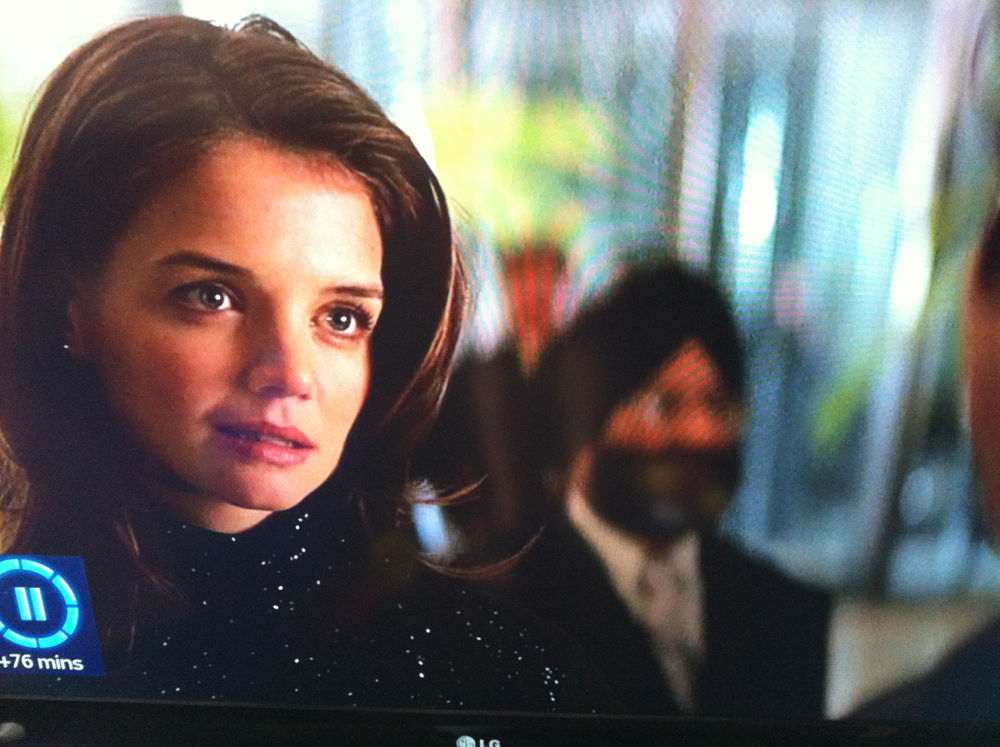
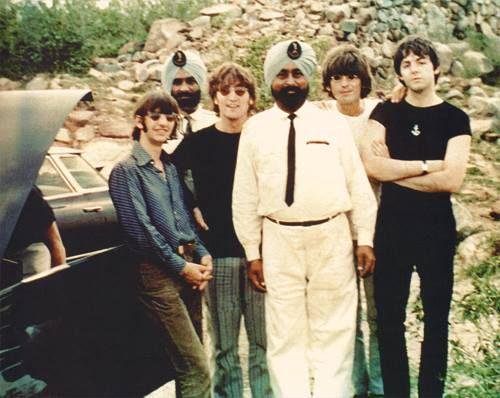
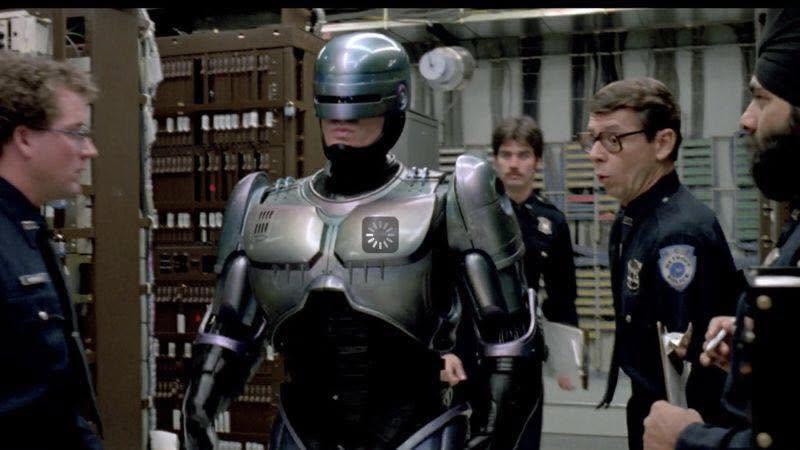
People started sharing sightings. They sent screenshots. They tagged the account. They pointed out appearances I had missed. It became a small online community built around a very simple act: noticing Sikh visibility in the media.
What made it interesting was that it was both funny and serious at the same time.
On the surface, Look! A Singh! is a cheeky family shout at the telly.
Underneath, it is about identity, belonging and representation.
It is about the strange feeling of being so used to not seeing yourself that, when you finally do, it becomes an event.
More than just spotting turbans
The project was never just about counting appearances.
It was about showing that representation matters in everyday media.
A turban on screen can be a small thing to some people. But to a Sikh child watching at home, it can say something important.
It can say:
You are not invisible.
You are part of this country.
You can be in this space too.
You can be a presenter, a politician, a journalist, a doctor, a comedian, an expert, a football fan in the crowd, a character in a drama, or simply a person shown as part of normal life.
That last part is important.
Representation does not always need to be a big dramatic storyline about identity. Sometimes the most powerful representation is ordinary. A Sikh person just existing on screen without it needing to be explained, translated or turned into a lesson.
That kind of representation helps normalise who we are.
The wider importance of visibility
Every community has these moments.
For some, it was seeing Floella Benjamin on TV during school lunch breaks.
For others, it was watching The Real McCoy and Goodness Gracious Me bring Black and Asian British comedy, voices and culture into living rooms across the UK.
For some families, it might have been the first time they saw someone who sounded like them, looked like them or understood their world on mainstream television.
These moments are not small. They become memory markers.
They remind you where representation was missing, and why seeing it felt so important when it finally appeared.
They also show how media shapes belonging. When certain people are always shown and others are rarely shown, it quietly tells us who is seen as part of the main story.
Recognition
What started as a personal project from a family moment went further than I ever expected.
In 2014, Look! A Singh! won an award at the Asian Media Awards.
That recognition meant a lot because it showed that the idea had connected with people beyond my own sofa.
It showed that representation was something people cared about.
It showed that spotting a Sikh on screen was not just a funny family habit. It was part of a bigger conversation about visibility, identity and who gets to be seen in British media.
Looking back
Looking back, Look! A Singh! came from a very simple idea.
I wanted to share and celebrate moments where Sikhs were visible in the media. That was it really. No masterplan and no grand strategy.
Since the site launched in 2012, the world of social media and digital has changed massively. Back then, Twitter and Facebook felt like the main places where these conversations happened. You could set up a page, share a post, tag an account and slowly build a little community around an idea.
Now, the landscape is completely different. We have TikTok, Instagram Reels, YouTube Shorts, podcasts, creators, influencers and communities building their own platforms without waiting for mainstream media to notice them.
And that is a brilliant thing.
I am pleased to see more Sikh representation in the media now. More Sikh presenters, journalists, actors, sportspeople, creators and everyday people being visible in ways that did not feel as common back then.
That does not mean projects like Look! A Singh! are no longer needed.
Representation still matters. Visibility still matters. Seeing people who look like you still matters.
But projects like this also need to adapt. They need to move with the times, with the platforms, with how people share, watch, react and connect.
So, for now, Look! A Singh! as a project has come to a close.
Not because the idea is no longer important, but because the digital world around it has changed. And maybe the project needs to change too.
Maybe one day I will revive it in a new form.
But whatever happens next, I will always be proud that something which started with my family shouting at the telly became a small part of a bigger conversation about visibility, identity and representation.